

The Benefits of Hemp Cotton Fabric: A Eco-Friendly Textile Manufacturer Choice
Textile industry, sustainability is no longer just a trend — it has become a responsibility. As consumers and brands shift toward environmentally conscious materials, hemp cotton fabric is emerging as a powerful solution. This natural blend combines the softness of cotton with the durability and eco-friendly qualities of hemp, making it a preferred choice for modern apparel and textile production.
For brands searching for a trusted hemp cotton fabric supplier, this fabric offers the perfect balance between comfort, performance, and environmental responsibility. Leading companies like eco friendly textile manufacturer India-based producers are helping fashion brands adopt sustainable alternatives without compromising on quality.
Let’s explore why hemp cotton fabric is becoming the future of sustainable textiles.
What is Hemp Cotton Fabric?
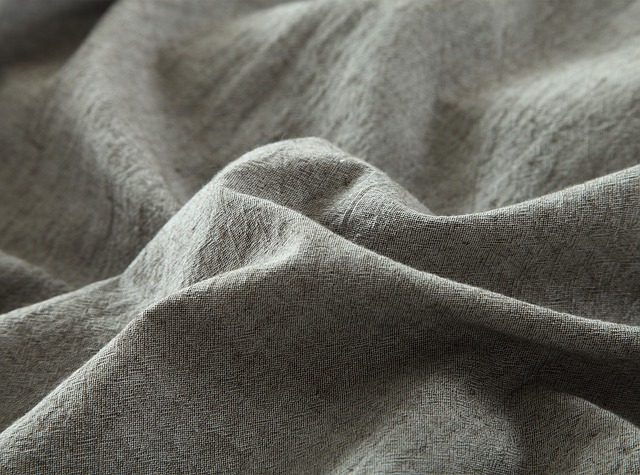
Hemp cotton fabric is a blend of natural hemp fibers and cotton fibers. Hemp brings strength, breathability, and durability, while cotton adds softness and flexibility. Together, they create a fabric that feels comfortable on the skin while lasting longer than traditional cotton textiles.
Unlike conventional fabrics that rely heavily on chemicals and water-intensive farming, hemp grows naturally with minimal resources. When blended with cotton, it results in a fabric that is both environmentally responsible and commercially practical.
Environmental Benefits of Hemp Cotton Fabric
1. Low Water Consumption
Hemp requires significantly less water compared to conventional cotton crops. This helps conserve water resources and reduces environmental strain, making hemp cotton fabric an excellent choice for sustainable manufacturing.
2. Chemical-Free Cultivation
Hemp naturally resists pests and diseases, eliminating the need for harmful pesticides and fertilizers. This results in cleaner soil, safer farming practices, and healthier ecosystems.
3. Carbon Absorption
Hemp plants absorb large amounts of carbon dioxide during growth, helping reduce greenhouse gas emissions and fight climate change.
4. Biodegradable & Sustainable
Hemp cotton fabrics break down naturally without polluting the environment, supporting a circular and eco-conscious textile economy.
Superior Quality & Performance
Working with a reliable hemp cotton fabric supplier ensures access to textiles that are not only eco-friendly but also high-performing.
Durability
Hemp fibers are among the strongest natural fibers in the world. When blended with cotton, the fabric becomes long-lasting and resistant to wear and tear.
Breathability
Hemp cotton fabric allows air circulation, keeping garments cool and comfortable in warm climates.
Softness Over Time
Unlike many fabrics that degrade with washing, hemp cotton fabric becomes softer with each wash while maintaining strength.
Natural Antibacterial Properties
Hemp has natural resistance to bacteria and odors, making it ideal for everyday clothing and activewear.
Why Eco-Friendly Textile Manufacturers Prefer Hemp Cotton Fabric
As demand for ethical fashion rises, many eco friendly textile manufacturer India-based companies are turning to hemp cotton fabric for sustainable production.
Key reasons include:
• Lower environmental footprint
• Cost efficiency over time due to durability
• Growing consumer preference for sustainable fabrics
• Compliance with international eco standards
Hemp cotton fabric also allows manufacturers to offer premium-quality sustainable textiles to global markets.
Applications of Hemp Cotton Fabric
Hemp cotton fabric is incredibly versatile and used across various industries, including:
• Sustainable clothing brands
• Casual wear & activewear
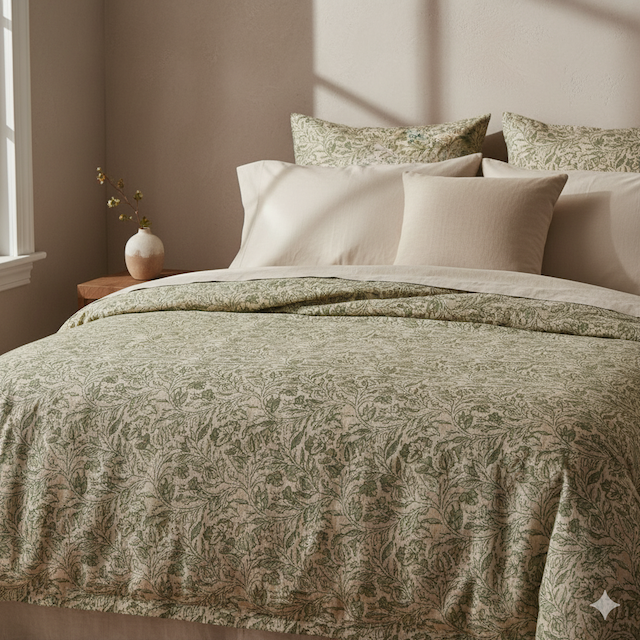
• Home textiles like curtains and bedding
• Baby clothing
• Fashion accessories
Its strength, comfort, and eco-friendliness make it ideal for both everyday and luxury textile products.
Why Choose a Trusted Hemp Cotton Fabric Supplier?
Partnering with a professional hemp cotton fabric supplier ensures:
• Consistent fabric quality
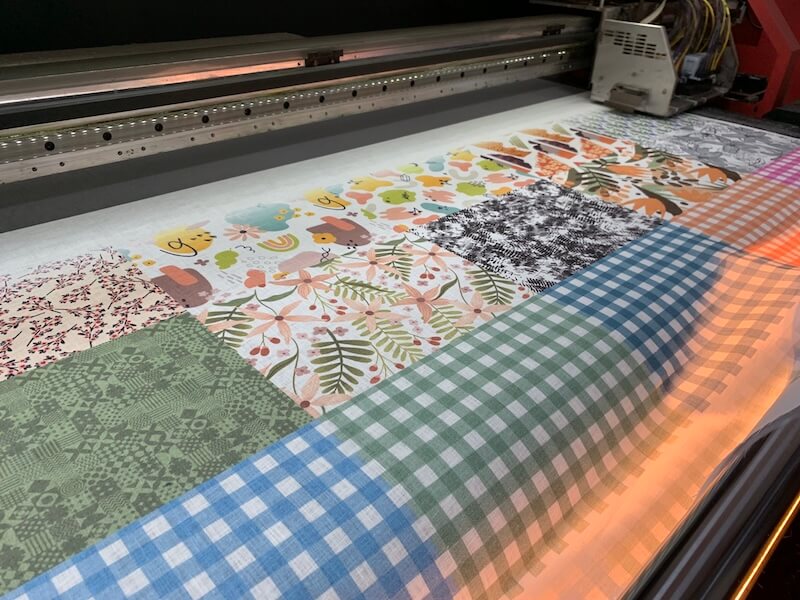
• Custom dyeing and printing options
• Low MOQ availability
• Sustainable sourcing practices
• Timely delivery for bulk orders
Reliable suppliers like The Hemploom provide eco-conscious brands with high-quality hemp cotton fabrics tailored to their specific production needs.
Frequently Asked Questions (FAQs)
1. Is hemp cotton fabric suitable for everyday clothing?
Yes, hemp cotton fabric is breathable, soft, and durable, making it ideal for daily wear, casual outfits, and activewear.
2. Is hemp cotton fabric environmentally friendly?
Absolutely. Hemp requires less water, no harmful chemicals, absorbs carbon dioxide, and is biodegradable, making it one of the most sustainable textile materials.
3. Where can I find a reliable hemp cotton fabric supplier in India?
India has several sustainable textile manufacturers, including companies like The Hemploom, specializing in high-quality hemp cotton fabrics with eco-friendly production methods.
The Future of Sustainable Textiles
As global awareness grows about environmental responsibility, hemp cotton fabric is set to play a major role in the textile industry. Fashion brands, exporters, and manufacturers are increasingly adopting this fabric to meet sustainability goals while delivering premium products.
With the support of eco friendly textile manufacturer India-based companies, businesses can shift toward greener production models without sacrificing style, comfort, or durability.
Conclusion
Hemp cotton fabric is more than just a textile — it’s a step toward a cleaner, greener, and more responsible fashion industry. Combining the natural strength of hemp with the softness of cotton, this fabric offers unmatched sustainability, performance, and comfort.
By choosing a trusted hemp cotton fabric supplier and working with an eco friendly textile manufacturer India, brands can reduce their environmental impact while meeting growing consumer demand for sustainable products.
As the world moves toward ethical fashion, hemp cotton fabric stands out as a smart, eco-conscious choice for the future of textiles.
Leave a Reply